01
Brand strategy
Positioning, audience clarity, competitor framing, tone, promise, and the decisions that make the brand easier to understand.

 Services
01 / Brand systems
We build the strategic and visual foundation of a brand so every touchpoint feels intentional: the name, mark, website, packaging, deck, social presence, and the quiet details people notice before they can explain why.
Fit
The right scope usually announces itself through friction. These are the kinds of moments where the work starts to create real leverage.
You have a strong offer, but the brand still feels early or inconsistent.
The logo exists, but there is no system around it.
The business is premium in reality, but not yet premium in perception.
Our approach
For brand & identity, we work from the inside out: first the constraint, then the system, then the expression people actually experience.
Before we make anything, we find the decision that will make the most difference: perception, conversion, trust, operations, usability, or momentum.
Premium work is not decoration. It is hierarchy, rhythm, content, behaviour, motion, and constraints working together until the result feels obvious.
The handover matters. A good result should give you clearer assets, patterns, language, and next decisions, not a beautiful thing nobody can maintain.
Offering
We do not force every project into the same package. These are the pieces we can combine around the strongest outcome.
Positioning, audience clarity, competitor framing, tone, promise, and the decisions that make the brand easier to understand.
Naming support, verbal identity, straplines, voice principles, and clearer language around what the business does and why it matters.
Marks, lockups, typography, colour, spacing, layout behaviour, and the visual logic that holds everything together.
Packaging direction, label systems, product-facing visuals, and the details that make a physical touchpoint feel intentional.
A practical system for using the identity across web, social, print, presentations, documents, and internal material.
Core exports, social starters, deck direction, templates, and the visual assets needed for a clean rollout.
If it helps the identity become clearer, more usable, or more consistent, we can discuss it and shape the right scope together if the fit is strong.
Talk through the scopeProcess
Each service has its own rhythm, but the principle stays the same: define what matters, make it carefully, test it in context, and leave behind something usable.
We separate what is genuinely valuable from what is just familiar, then define the brand's strongest position.
We establish personality, visual references, tone, audience expectations, and the strategic guardrails before design begins.
We design the identity as a working language, not a single logo moment: marks, typography, colour, layout, and usage behaviour.
We apply the identity to the places it will actually live so the system proves itself in context.
We package the files, rules, examples, and launch assets so the brand stays consistent after the project ends.
Outcomes
The work should make the business easier to understand, easier to operate, and easier to move forward with confidence.
People understand what the brand stands for before you have to over-explain it.
The visual system feels consistent across decks, web, social, packaging, and internal material.
Your team has fewer subjective design debates because the rules are clearer.
Questions
Good projects begin with fewer unknowns. These answers give you a clearer sense of fit, scope, and how brand & identity can move from conversation to useful work.
Start a project
Tell us what you are building, where it is at, and what kind of support would help move it forward.
Where we work
Other ways
The strongest projects often connect more than one layer. These are the adjacent services that can support the work without overcomplicating it.
Websites, web apps, and interactive digital products.
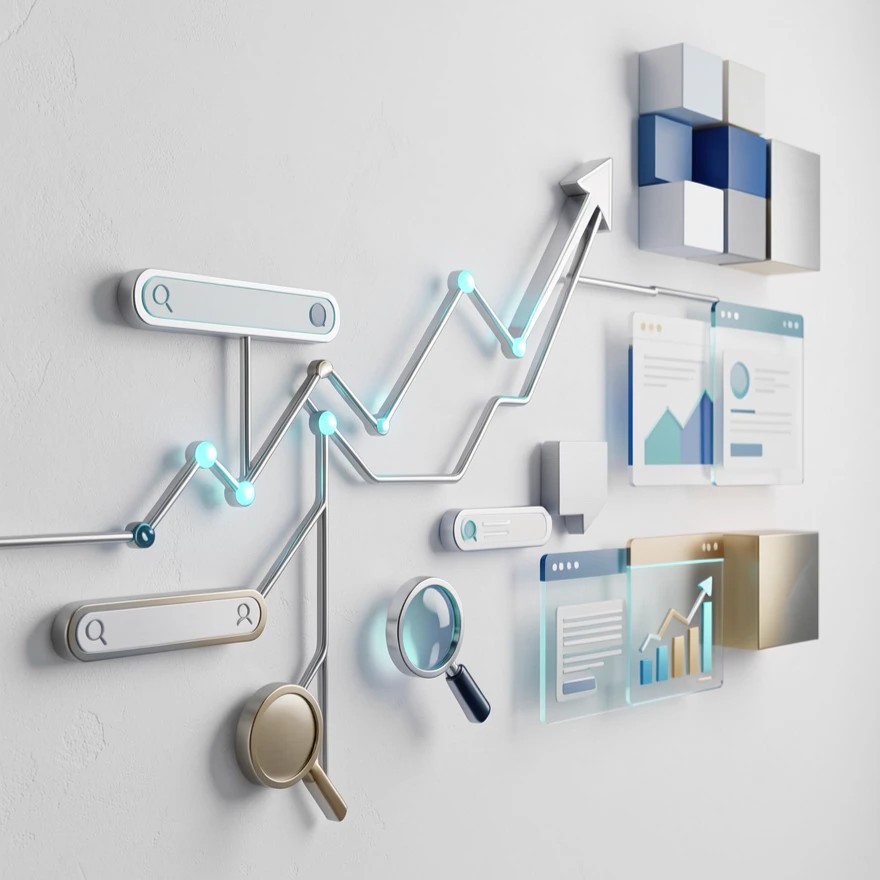

Search optimisation, analytics infrastructure, and content systems that drive traffic.
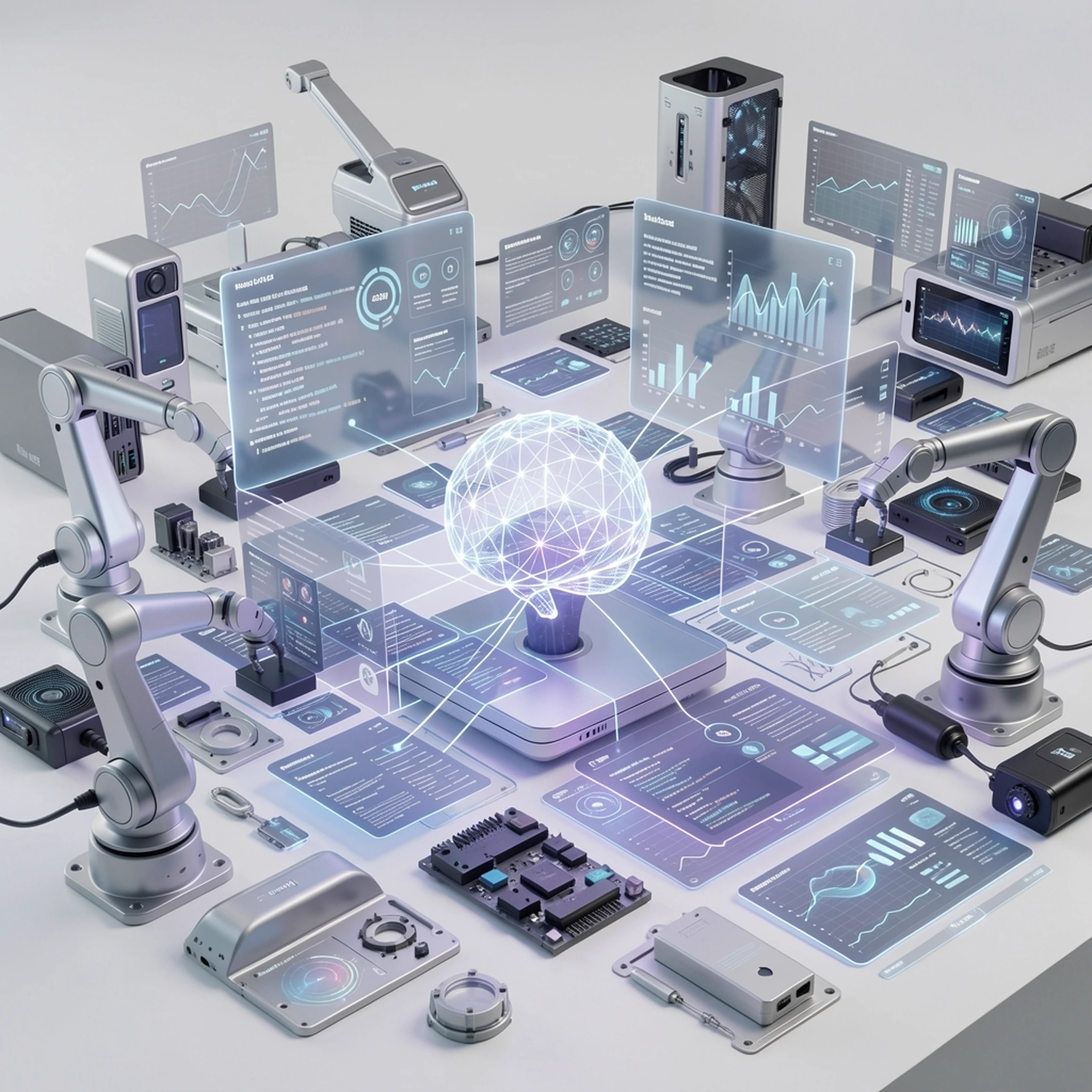
Workflow automation, AI integrations, and operational tooling.


Internal systems, dashboards, APIs, and business process architecture.
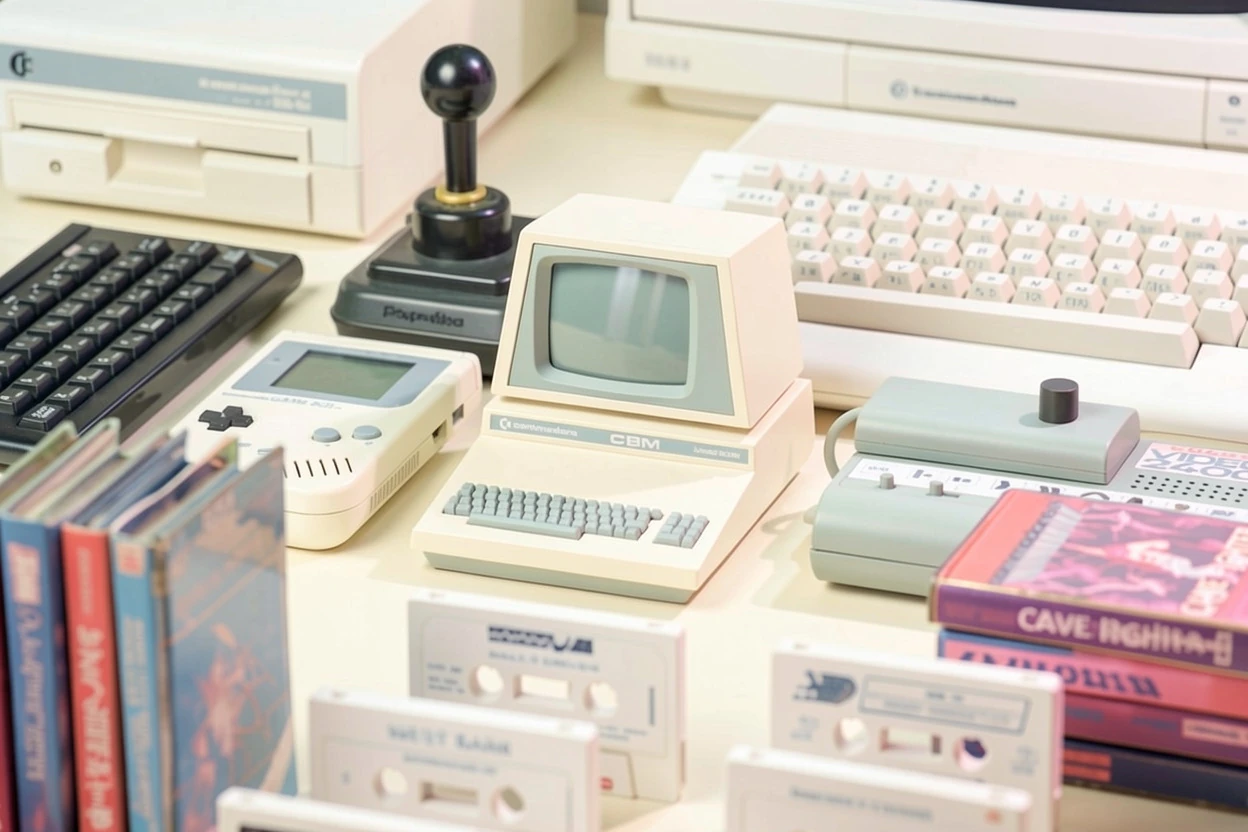
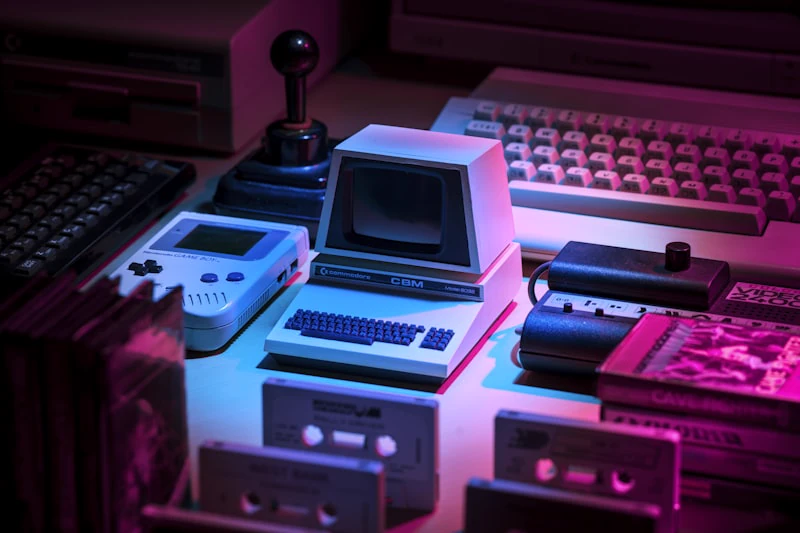
Concept development, rapid prototyping, and product validation.

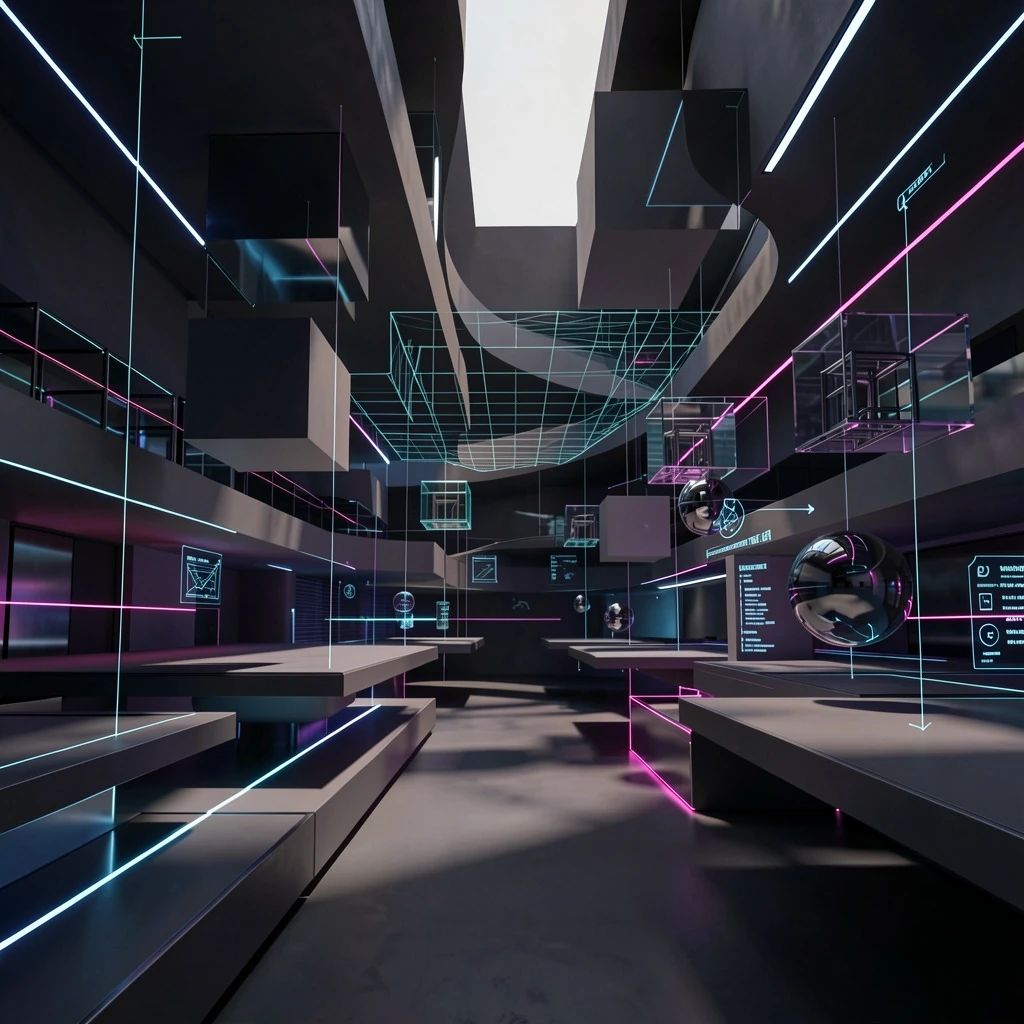
Dimensional design, modelling, and immersive visual assets.